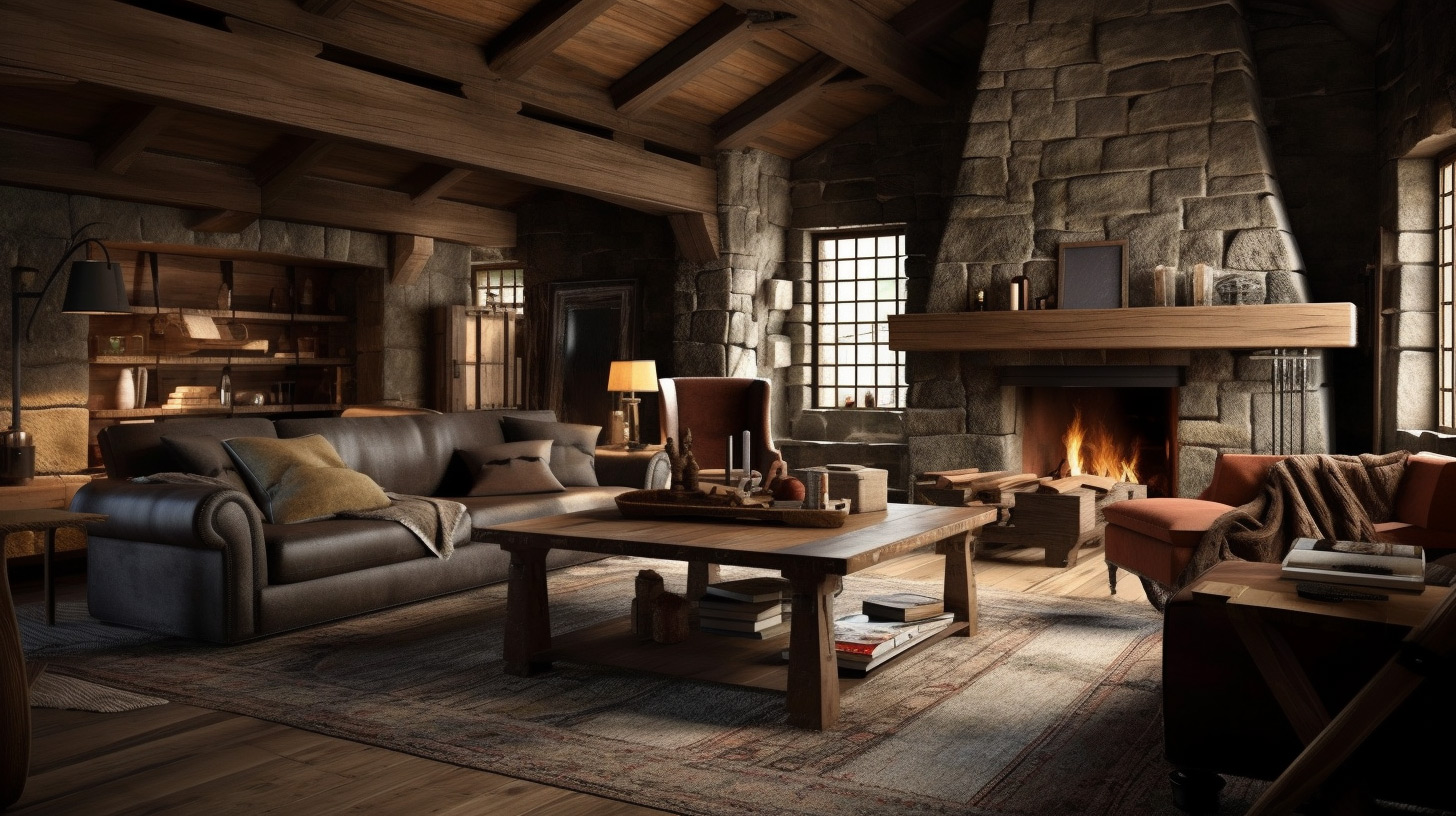
Every interior tells its own story, and design is the language we use to express the comfort and style of our homes. Choosing the right style becomes an important tool for creating a unique atmosphere that not only reflects the owner's personality, but also harmonizes with the space. From Scandinavian simplicity to elegant classics, each style has its own aesthetic mission, embodying a combination of functionality and beauty.
Content
- Optimizing the search for 3D models for The Great Catalog
- Division of interior design styles into three main groups
- Traditional: Classic, Transitional, Mediterranean, French Country, Rustic, Farmhouse, Gothic, Asian, Zen, Wabi-Sabi.
- Eclectic: Eclectic, Bohemian, Coastal, Tropical, Steampunk, Vintage, Hollywood Glam, Shabby Chic.
- Modern: Modern, Bauhaus, Mid-century Modern, Art Deco, Industrial, Memphis, Contemporary, Minimalist, Scandinavian, Japani.
- Description of 28 styles with illustrations
- Conclusion
Process optimization
This is what every designer and visualizer dreams of. That's why The Great Catalog team is constantly working on this task.
This time, we focused on speeding up the search for each model by style, color, and texture.
To make the result as convenient as possible, we used the knowledge of interior designers and the capabilities of artificial intelligence (AI).
If you ask AI how many styles there are, it will identify 76 main ones. However, this is too many for practical use. We conducted a study of the most common styles based on articles from Home Adore, The Spruce, AD magazine, Vogue, and a survey among practicing designers from different countries, and identified three groups of styles.
Three groups of styles
Traditional
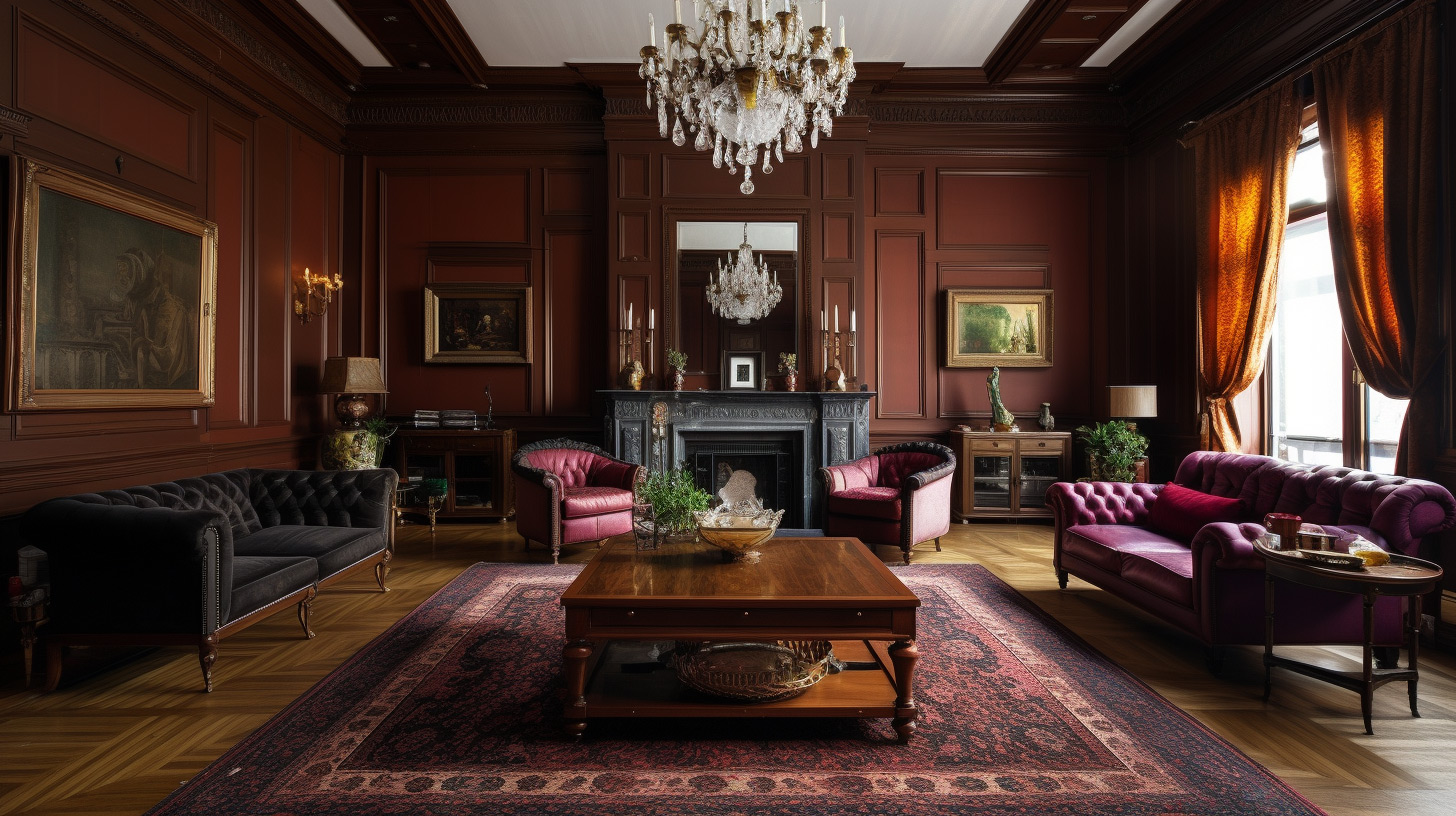
This group is characterized by elegance, sophistication and attention to detail. The furniture is made of natural materials, often of dark wood, with carved elements and luxurious upholstery. Interiors in traditional styles use warm, muted colors such as beige, gold, burgundy, and rich fabrics such as velvet and silk. Decorative elements include antiques, mirrors in heavy frames, crystal chandeliers, and textiles with intricate patterns. In general, traditional styles create an atmosphere of coziness, harmony and sophistication, emphasizing symmetry and classic shapes.
Includes: Classic, Transitional, Mediterranean, French Country, Rustic, Farmhouse, Gothic, Asian, Zen, Wabi-Sabi.
Eclectic
The Eclectic group for furniture and interior design is characterized by a bold combination of different elements from different eras and cultures, creating a unique and harmonious space. Furniture and decor can include bright colors, various textures and materials, and unexpected combinations of antique and modern objects. The basis of the styles is individuality and creativity, where the use of bright fabrics, decorative pillows, exotic accessories, antique furniture and art objects is allowed. Eclectic interiors have a lively, energetic look, where each element adds uniqueness and character to the overall image.
Includes: Electic, Bohemian, Coastal, Tropical, Steampunk, Vintage, Hollywood Glam, Shabby Chic.
Modern
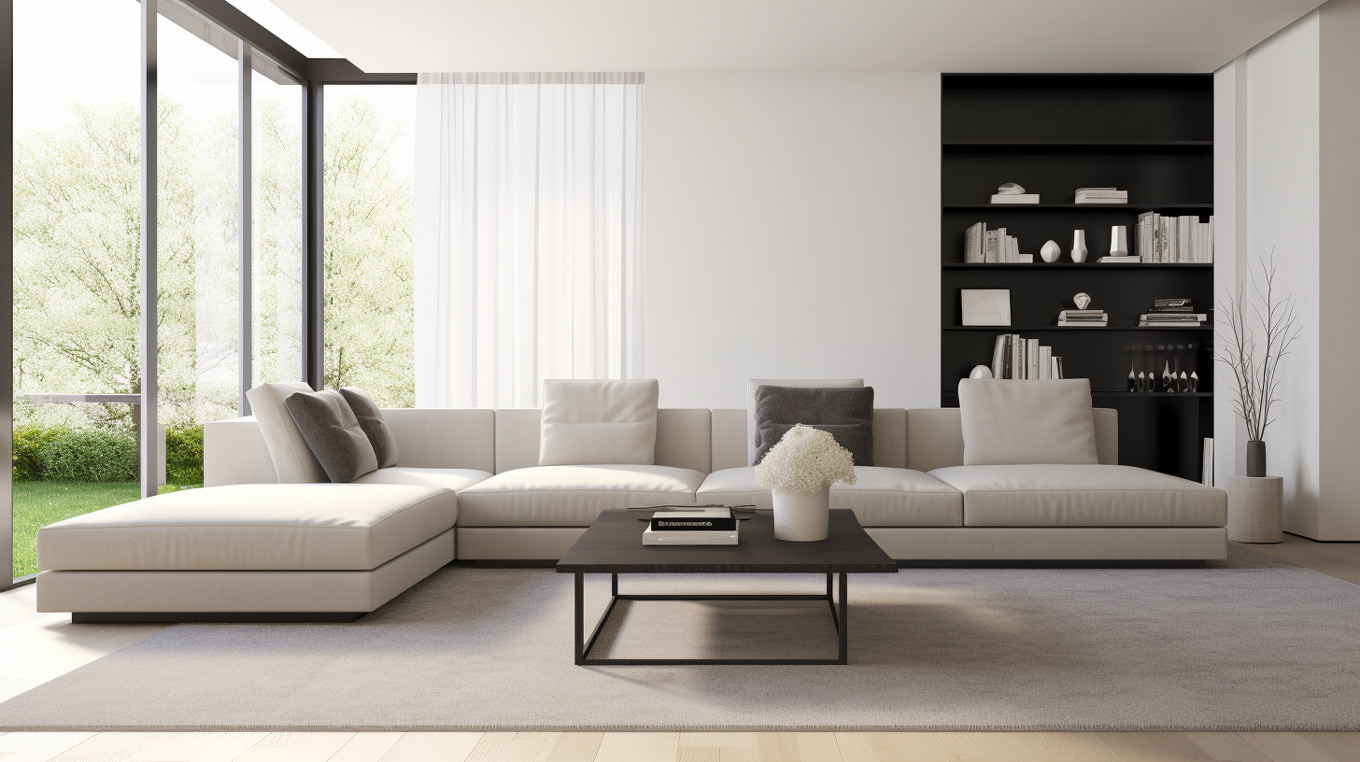
This group of styles is characterized by clean lines, functionality and minimalism, emphasizing simplicity and aesthetics without frills. The furniture has simple shapes, often made of materials such as metal, glass, and light wood, with an emphasis on comfort and practicality. The color scheme is mostly neutral, with emphasis on natural shades and textures. Modern interiors are characterized by open spaces, plenty of natural light, the absence of unnecessary decorative elements, and an emphasis on high-quality, environmentally friendly materials. In general, these styles create an atmosphere of calm, order and simplicity, where each element has its own function and place.
Includes: Modern, Bauhaus, Mid-century Modern, Art Deco, Industrial, Memphis, Contemporary, Minimalist, Scandinavian, Japani.
Description of each style
It's worth noting that interior styles and furniture styles are not entirely identical concepts. The difference between them can sometimes be difficult to determine. During the practical implementation, we decided to give the furniture two styles, since many items can be used in different contexts.
Thus, more than 50 thousand 3d models were categorized by style. We are sure that this will make the work of designers easier. Our goal is to create a convenient tool in the hands of a visualization designer that allows you to easily find the right 3d models of furniture and household goods in modern formats such as 3ds Max, Blender, Revit.
Classic
The Classic style in interior design is characterized by symmetry, harmonious proportions and the use of high-quality natural materials such as wood, marble and silk. The color palette is usually restrained, with neutral and pastel tones, often with accents of deep, rich colors. The furniture has exquisite shapes with carved details, and the decor includes paintings in rich frames, crystal chandeliers and plaster moldings. This style creates an atmosphere of elegance, stability and tradition.
Examples of 3d models: classic sofa, classic chandelier glass.
Transitional
Transitional combines elements of classic and modern styles to create a balanced, elegant and comfortable environment. It is characterized by clean lines, neutral color palette and the use of natural materials such as wood, stone and textiles. Furniture in this style has simple shapes, without unnecessary decorative details, but with elements of classic elegance. The decor is minimalistic, with accents placed through textures and materials, which gives the space a cozy and modern feel.
Examples of 3d models: transitional fireplace, transitional curtains.
Mediterranean
The Mediterranean style in interior design is characterized by a bright and warm atmosphere inspired by the regions of the Mediterranean coast, such as Spain, Greece and Italy. The main features of this style are the use of natural materials: wood, terracotta, stone and wrought iron. The color palette includes warm earthy shades, bright blue and green accents reminiscent of the sea and nature. The furniture is usually massive and simple, comfortable and functional, often with handmade elements. The decor includes ceramic tiles, textiles with ethnic patterns, and lots of plants to create a sense of freshness and connection with nature.
Examples of 3d models: mediterranean metal pendant, mediterranean stone.
French Country
French Country interior design combines elegance and rustic charm inspired by the French province. It is characterized by a warm and cozy atmosphere, the use of natural materials such as wood, stone and ceramics. The color palette includes soft, muted shades such as cream, beige, pastel blue and green tones. The furniture has an antique look, often with handmade elements and scuffs, which gives it a vintage charm. The décor includes floral patterns, linen and cotton textiles, open shelves with ceramic dishes and many accessories that add personality and coziness to the space.
Examples of 3d models: french country dressing table, french country bookcase.
Farmhouse
The Farmhouse style in interior design is characterized by simplicity, functionality and a cozy atmosphere inspired by rural life. It uses natural materials, such as wood and metal, with an emphasis on exposed beams, wooden floors, and forged details. The color palette is usually neutral, with white, cream, gray and pastel shades that create a light and airy atmosphere. Farmhouse furniture has simple but sturdy shapes, often with vintage or distressed finishes that add character. The decor includes wicker baskets, ceramics, linen and cotton textiles, as well as elements that reflect the rustic lifestyle, such as antique clocks, mirrors, and wooden-framed photographs.
Gothic
Gothic interior design is characterized by drama, majesty and rich decorative details inspired by the architecture of medieval cathedrals and castles. The main characteristics are high vaulted ceilings, arched door and window openings, and intricate carved wooden elements. The color palette is usually dark and rich, with accents of black, deep red, purple and gold. The furniture is massive and refined, often with Gothic ornaments and details such as wrought iron elements and heavy textures. The decor includes stained glass windows, tapestries, candelabra, heavy curtains and antique accessories that add mystery and majesty to the space.
Asian
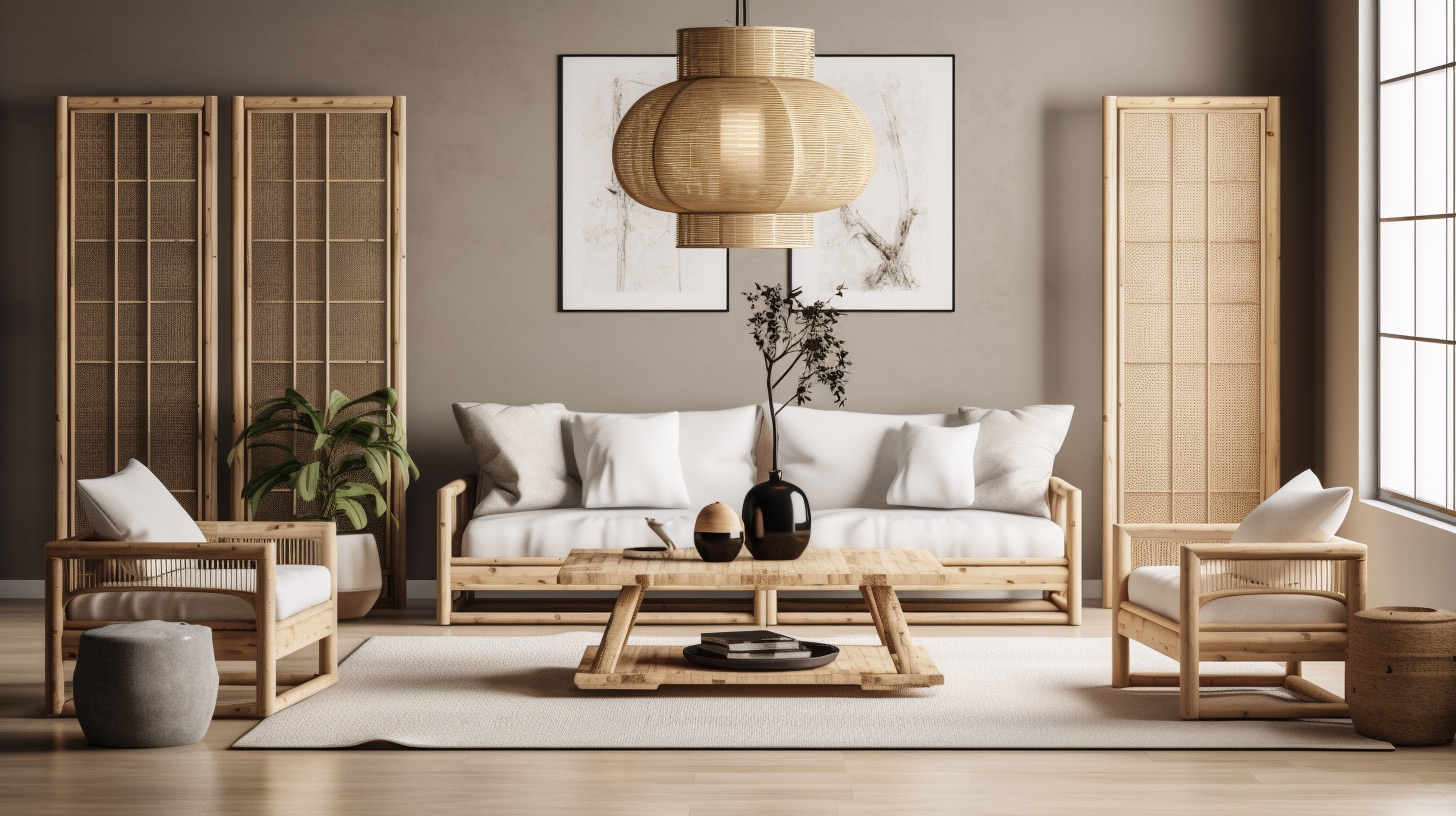
The Asian style in interior design creates a calm and harmonious atmosphere inspired by oriental cultures such as Chinese, Japanese, Korean and Indian. The main characteristics are the use of natural materials such as wood, bamboo, stone, and silk, as well as simple, minimalist forms of furniture. The color palette is usually calm and neutral, with shades of cream, beige, brown, and accents of red, gold, and green. The decor includes traditional elements such as lotus images, dragons, Japanese screens, wicker baskets and handmade products. Asian style also often uses natural elements such as indoor plants and water features to help create a sense of harmony and tranquility.
Zen
Zen in interior design is focused on creating a calm and harmonious space inspired by Japanese philosophy and meditation practices. The main characteristics are minimalism, simplicity and purity of forms, the use of natural materials such as wood, stone, bamboo and linear textures. The color palette is usually neutral, with shades of white, beige, gray and natural earth colors. The furniture has simple but functional shapes, with an emphasis on comfort and practicality. The decor is minimalist, with an emphasis on elements of nature, such as indoor plants, stone vases and water fountains, which contribute to a calm and relaxing atmosphere.
Wabi-Sabi
The Wabi-Sabi style of interior design celebrates incompleteness, imperfection and the nature of aging, focusing on simplicity, naturalness and authenticity. It is characterized by the use of rough, uneven textures, natural materials and informal shapes, with an emphasis on calm, muted colors that create a cozy and relaxed atmosphere.
Eclectic
Eclectic in interior design is characterized by a combination of different elements from different styles, periods and cultures, which creates a unique and individual space. It is characterized by the creative use of colors, textures, and patterns, with an emphasis on interesting details, antiques, and custom items that reflect personal preferences and stories.
Bohemian
The Bohemian style in interior design is characterized by an eclectic and free combination of colors, textures and patterns that creates a bright and relaxed atmosphere. It is characterized by the use of a variety of textiles, such as carpets, pillows and rugs, combined with ethnic, vintage and handmade elements, as well as an abundance of decorative accessories, plants and rugs that add warmth and character to the space.
Coastal
Coastal in interior design creates a fresh and light atmosphere inspired by the seaside. It is characterized by the use of light colors such as white, blue and sand, as well as natural materials such as wood and linen. The furniture is usually simple and functional, often with elements reminiscent of the sea, such as nautical motifs, wicker details and light textures that create a calm and relaxing environment.
Tropical
Tropical style in interior design is characterized by bright colors and a wealth of natural materials, inspired by tropical islands. It is characterized by the use of exotic wooden furniture, wide foliage plants, colored fabrics with tropical patterns and light, airy textures. The color palette includes rich shades of green, yellow, blue and coral, which creates a feeling of freshness and relaxation.
Steampunk
Steampunk interior design combines elements of the Victorian era with fantastic technological details inspired by steam engines and industry. It is characterized by the use of metallic materials such as bronze and brass with visible mechanical elements such as gears and pipes. The color palette includes deep shades of brown, gray, and green-blue, and the furniture usually has a vintage look, often with a combination of leather and wood. The decor may include vintage clocks, retro appliances, and antique items that emphasize the futuristic and sci-fi atmosphere.
Vintage
The Vintage style in interior design is characterized by the use of furniture and decor that reflect the character and atmosphere of past decades. It is characterized by retro shapes of furniture, often with characteristic scuffs and vintage details such as carvings and decorative elements. The color palette usually contains soft, muted shades, with accents of floral or geometric patterns. The decor can include antique items, vintage accessories such as lamps, clocks, maps, and retro textiles to create a warm and nostalgic atmosphere.
Hollywood Glam
Hollywood Glam in interior design is characterized by luxury, elegance and sophistication, inspired by old Hollywood and the film industry. It is characterized by the use of luxurious materials such as velvet, silk and crystal, as well as rich colors such as gold, silver, burgundy and black. The furniture has dramatic shapes and details, with an emphasis on glamorous elements such as shiny metal inlays and large decor. The decor includes luxurious light fixtures, large mirrors in decorative frames, elegant carpets and contemporary art that emphasizes the glamorous and extravagant style.
Shabby Chic
The Shabby Chic style in interior design is characterized by a romantic and sophisticated atmosphere with elements of domestic elegance and nostalgia. The main features include furniture with scuffs and traces of time, made of white or pastel painted wood, as well as exquisite textiles with floral patterns. The color palette usually includes soft, powdery shades such as pink, blue, cream and gray-blue. The decor may include antique accessories, linen and lace details, antique mirrors and decorative pillows that create an atmosphere of coziness and old romance.
Modern
Modern in interior design emphasizes simplicity, functionality and clean lines. It is characterized by the use of minimalist shapes, neutral colors and modern materials such as glass, metal and natural wood. The furniture has geometric, clear shapes without excessive decor, and the space is organized to maintain a sense of space and light. Decor is limited to essential elements, with an emphasis on quality and practicality, creating a stylish, modern and functional environment.
Bauhaus
Bauhaus style in interior design is characterized by functionality, simplicity and the use of industrial materials. It is characterized by clear geometric shapes, minimalist lines and the absence of decorative elements, with an emphasis on practicality and aesthetics. The color palette usually includes primary colors (red, blue, yellow) along with neutral shades (black, white, gray). The furniture and accessories have simple, functional shapes, made of materials such as steel, glass and natural wood, which emphasizes their innovation and versatility.
Mid-century Modern
Mid-century Modern in interior design is characterized by clean, elegant lines, functionality and the use of natural materials. The main features include furniture with simple but expressive shapes, often with wooden legs, and an emphasis on geometric details. The color palette usually includes combinations of neutral shades with bright accents such as orange, green and blue. The decor often includes abstract artwork, graphic patterns, and innovative materials to create a modern and functional look.
Art Deco
Art Deco style in interior design is characterized by luxury, geometric shapes and elegance, inspired by the 1920s and 1930s. It is characterized by the use of luxurious materials such as lacquered wood, marble, crystal and metal, as well as bold geometric patterns and symmetrical shapes. The color palette includes rich shades such as gold, silver, black and deep blue. The furniture has delicate details, with an emphasis on elegant and decorative finishes, and the decor may include elements such as linear abstractions, mirrors in decorative frames and stylish lamps.
Industrial
Industrial in interior design is characterized by an urban look inspired by industrial buildings and factories. It is characterized by the use of exposed structures such as concrete walls, metal beams and pipelines, as well as rough, untreated materials such as brick, steel and wood. The color palette typically includes neutral and dark shades such as gray, black, and brown, with accents of metal details. The furniture has simple, functional shapes, often with industrial or retro elements that emphasize the open and technical aesthetic of this style.
Memphis
The Memphis style in interior design is characterized by bright colors, geometric shapes and experimental materials, inspired by the 1980s and the Memphis Group of designers. It is characterized by the use of bold contrasts, abstract patterns and unconventional shapes, with an emphasis on bright colors such as red, yellow, blue and black. Furniture and decor may include unconventional materials such as laminate, plastic and marble, combined with unusual textures and geometric motifs, creating a dynamic and extravagant look.
Contemporary
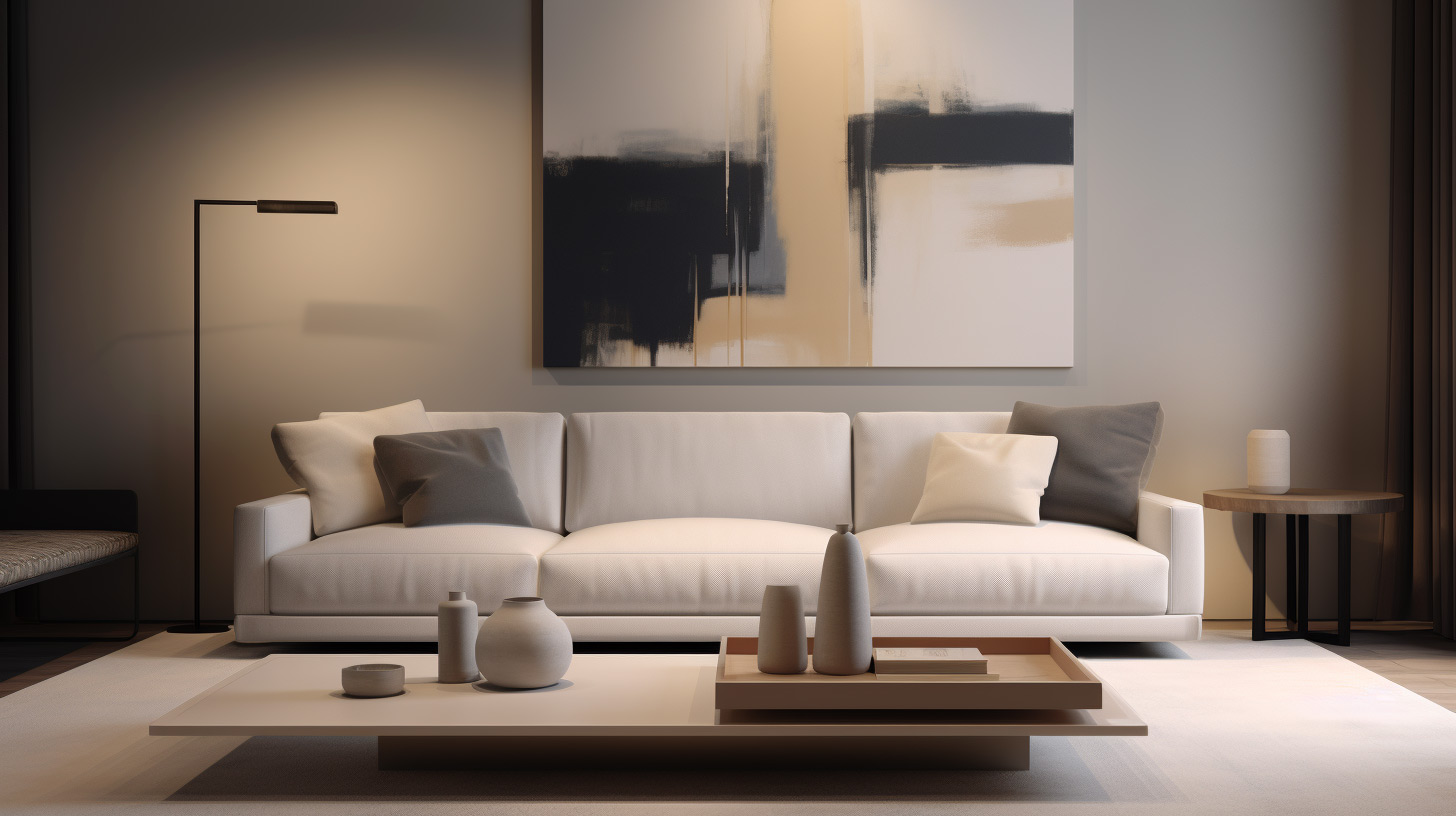
Contemporary in interior design focuses on modernity and current trends, combining elements of modern design with functionality. It is characterized by clean lines, open spaces and the use of natural materials such as wood, stone and metal. The color palette is often neutral and calm, with emphasis on contrasting colors and textures. The furniture has a modern, minimalist look, often with smooth surfaces and simple shapes, and the decor is usually limited to a few key elements that emphasize the style and functionality of the space.
Minimalist
The Minimalist style in interior design emphasizes simplicity, functionality and clean lines, rejecting everything superfluous. It is characterized by a neutral color palette, often with shades of white, gray and beige, and the use of a minimal amount of furniture and decor. The furniture has simple, elegant shapes without unnecessary details, and accents are set through the quality of materials and textures. The decor is limited to basic elements that emphasize the functionality and simplicity of the space.
Scandinavian
Scandinavian in interior design is characterized by simplicity, functionality and natural light, inspired by the northern climate and culture. It is characterized by a light, neutral color palette, usually with white, gray and pastel shades, as well as the use of natural materials such as wood and wool. The furniture has clean, simple lines with an emphasis on functionality and comfort, and the interior is complemented by minimalist but warm decorative elements such as textiles with geometric patterns and indoor plants that create a cozy and bright atmosphere.
Japan
Japandi is a synthesis of Japanese and Scandinavian styles, combining simplicity, functionality and naturalness of both directions. It is characterized by minimalist shapes, a neutral color palette that includes white, gray and natural shades of wood, as well as the use of high-quality natural materials such as wood, stone and textiles. The furniture has simple but elegant shapes with an emphasis on comfort and practicality, and the decor includes a small number of objects that emphasize harmony and tranquility, such as wooden details, indoor plants and ceramics.
Rustic
Rustic style in the interior is characterized by simplicity and naturalness, inspired by rural life and the use of natural materials. This style is often associated with cozy houses in the mountains or forests, where wood, stone, leather and metal dominate. The key characteristics are rough textures, natural shapes and simple but massive furniture that create an atmosphere of warmth and comfort. The color palette of the Rustic style consists mainly of neutral and earthy tones: brown, gray, beige, white. The design uses wooden beams, stone walls, wrought iron accessories, wicker baskets, rough fabrics and elements that emphasize the natural beauty of materials. The furniture usually has a simple design, without unnecessary decor, but is durable and long-lasting.
Conclusion
We have prepared the main characteristics of each style along with their visual appearance, which we hope will help designers to remember their diversity and find 3d models in modern formats 3ds Max, Blender for their projects.
We invite you to test each category on our website and save time searching for components for your interior.
With a convenient monthly subscription, you will get access to thousands of models at a single price.